




















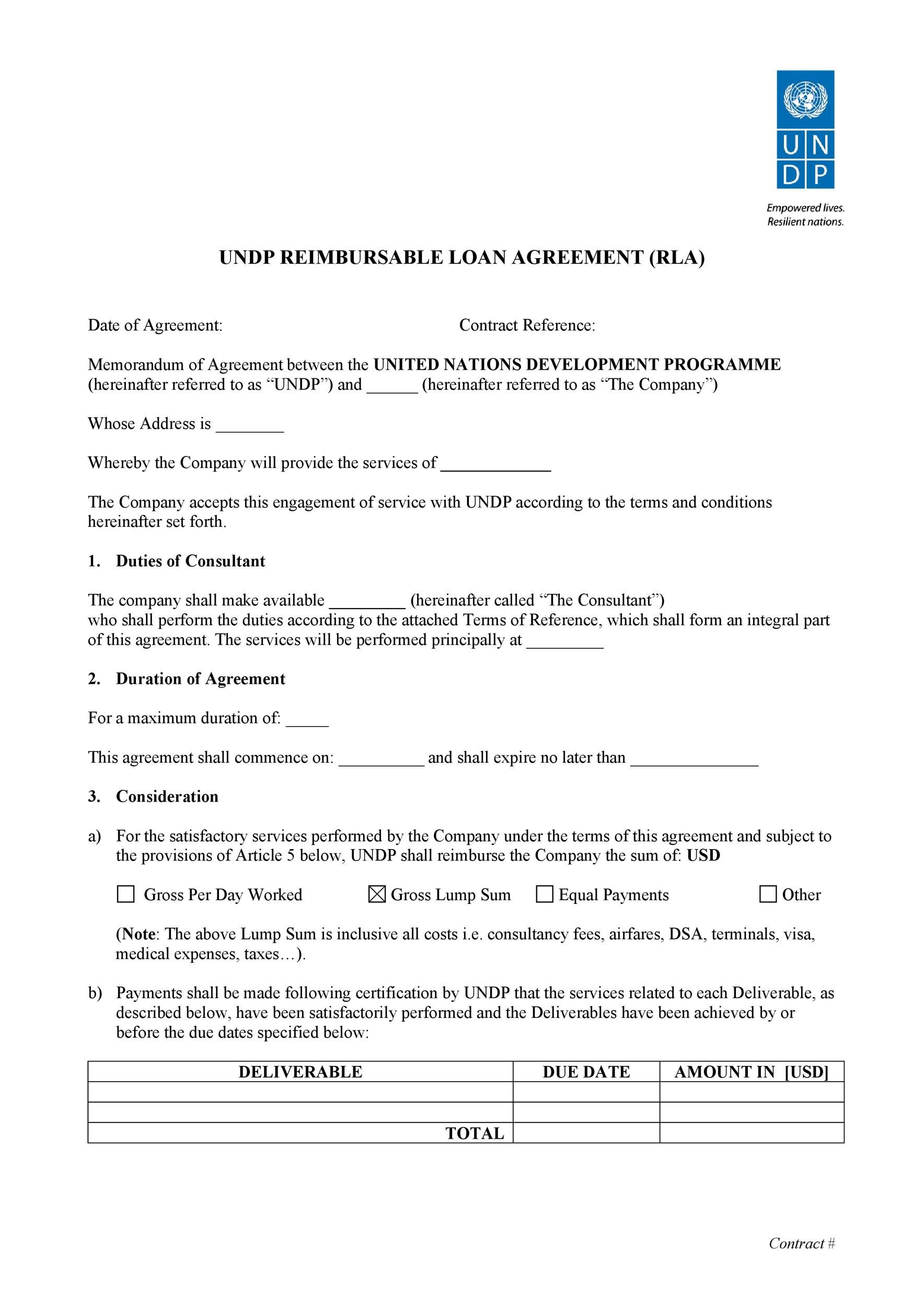
Even though your company might require you to authorize a noncompete contract, there are lots of instances when it might not be enforceable.
A Texas judge late last month struck down a nationwide restriction on noncompete contracts that was expected to work this Wednesday.
Existing noncompete arrangements will certainly for that reason currently remain in position. And employers may still ask you to sign one as a condition of work. That is, unless and until a higher court chooses or else, or Congress passes a regulation restricting it. But, if that does take place, it could take years.
In the meantime, if you’re functioning under a noncompete contract – or are thinking about signing one – below’s what you need to recognize and do, due to the fact that in some cases the contract may not be enforceable.
1. Understand what your noncompete needs
Generally speaking, noncompetes prohibit you from benefiting your employer’s rivals within a provided geographical range for a provided period of time.by link Discover more about Maine Non-competition Agreement website As an example, you may be prohibited from helping a rival within 50 miles of your present work for a year after leaving.
So, comprehend specifically how you will be constrained when you leave your current task – whether you stop, obtain given up or are fired for reason – and what, if anything, you are buying for signing away your right to function where you wish.
Likewise comprehend how the location of rivals is specified, because the contract could avert you from operating at a business within an offered range not simply from your own work website, however additionally that of your company’s satellite locations.
‘Review your agreement. You would certainly be surprised how many individuals don’t,’ stated Michael Fiffik, handling partner of Pennsylvania-based Fiffik Regulation Group Computer. His law office likewise provides services with LegalShield, which links people with lawyers in their state to advise them on their noncompete arrangements and various other matters at little to on the house when they enroll in a regular monthly strategy that costs simply under $30 and can be canceled at any time.
Additionally, when considering whether to authorize a noncompete, ‘think of it in the context of your profession course,’ Fiffik recommended. By that he implies if it’s normal in your line of work to go up by carrying on every few years, signing a noncompete could be bothersome.
And, as a whole, everyone must evaluate the paperwork they authorized when they took their task, since they may not even realize they signed one, stated Donna Ballman, an employee-side employment regulation lawyer in Florida and writer of ‘Stand Up For Yourself Without Getting Terminated.’
‘Some (noncompete arrangements) are disguised as a ‘confidentiality contract’ or ‘benefit contract,’ or perhaps (might appear) in job applications. Most people sign that huge pile of paperwork they access the start of their employment without reading it very carefully,’ Ballman wrote in an email to CNN.
2. Find out if your state restricts noncompetes
The state where you’re working might enforce constraints or straight-out restrictions, which might make your noncompete invalid. Begin by checking online with your state’s labor department and the state’s chief law officer. This interactive map, from the Economic Advancement Group, also offers a fast run-through of present state limitations and restrictions.
For example, in California, 2 brand-new regulations went into effect reiterating and making plain what has actually been true given that the 1800s: Noncompetes are, with couple of exemptions, illegal and void, according to Robert Ottinger, owner of Ottinger Work Attorney.
That consists of anyone in California that is employed by a business headquartered elsewhere or whose task is relocated to California. ‘The min you enter California, [the noncompete arrangement] vaporizes,’ Ottinger stated, even if it states it goes through the laws of an additional state.
In New york city, numerous contracts are unenforceable due to the fact that they do not satisfy the multipart test the state calls for of such arrangements to be legitimate, consisting of not imposing undue challenge on an employee. In Ottinger’s experience, ‘there’s a 90% or greater opportunity of it being void. If you take it before a judge, the judge will not enforce it,’ he claimed. That is specifically the case for low- and mid-level workers, he included. ‘We’ve had pet pedestrians and sandwich makers based on them. We win nearly whenever.’
By contrast, numerous other states enforce far fewer restrictions. And some, like Kansas and South Carolina, impose none in all, according to the Economic Advancement Team.
3. Also lacking state constraints, antitrust regulations still use
Also where workers are least protected by state legislation, you still may have recourse if you feel your noncompete contract is egregious.
‘Federal and state antitrust law still uses, so it’s still prohibited to have a noncompete agreement for the purpose of protecting against competition. Employers should have a reputable passion to safeguard, such as shielding secret information or trade secrets, customer a good reputation, amazing or customized training the employer provided, or special relationships with customers established as a result of the employment,’ Ballman claimed.
And the Federal Profession Payment, which created the now struck-down rule prohibiting noncompetes, keeps in mind that it is not prevented from ‘attending to noncompetes via case-by-case enforcement activities.’
Ballman stated that there are some defenses versus a noncompete that the majority of states will certainly identify. ‘These consist of where the employer breaches the arrangement first, where there is no legitimate interest to secure apart from stopping competition, where the length of time or the scope is overbroad, or where public health or safety would not be offered.’
And there may be other ways to prove your noncompete is bogus, particularly when the company suggests that it is planned to safeguard secret information. As an example, Ballman said, ‘many companies do not actually take measures to secure that supposed secret information. If it’s on the site, if they permit some workers to compete however not others, if they extol consumers on social media sites, after that there’s a terrific disagreement that the information isn’t confidential besides.’
All that claimed, ‘there’s no magic wand to leave these,’ she included. So, understanding what you’re getting into before signing anything and consulting with a well-informed employee-side employment lawyer in your state might conserve you a great deal of time and anxiety when you do at some point proceed to a brand-new job.